
THIS TEST CAN HELP EXPLAINWhy your child might be struggling with...
Chronic constipation or diarrhea
Bloating, gas, or stomach pain
Eczema or skin issues
Anxiety or mood swings
Poor focus or attention
Fatigue and low energy
Frequent illness
Picky eating or strong food aversions
Poor growth or nutrient absorption
These aren't separate problems. They're often connected — and the gut is usually where we find the thread.
HOW IT WORKSSimple process, done at home.
1. Add testing at the start of your program When you complete your intake paperwork, you'll see an option to add microbiome testing. The earlier you add it, the more time we have to get results back before your second session — which is when we'll review everything together.
2. I order the test for your child No figuring out lab orders on your own. I got you!
3. At-home stool collection A kit arrives at your door. Collection happens at home, on your schedule — no lab visits needed.
4. We review results together at session 2 I walk you through what we found, what it means for your child specifically, and exactly how we're going to use it to guide your plan.
WHAT'S TESTEDA comprehensive look at what's going on in the gut.
171 commensal microbes — the normal flora that may or may not be in balance
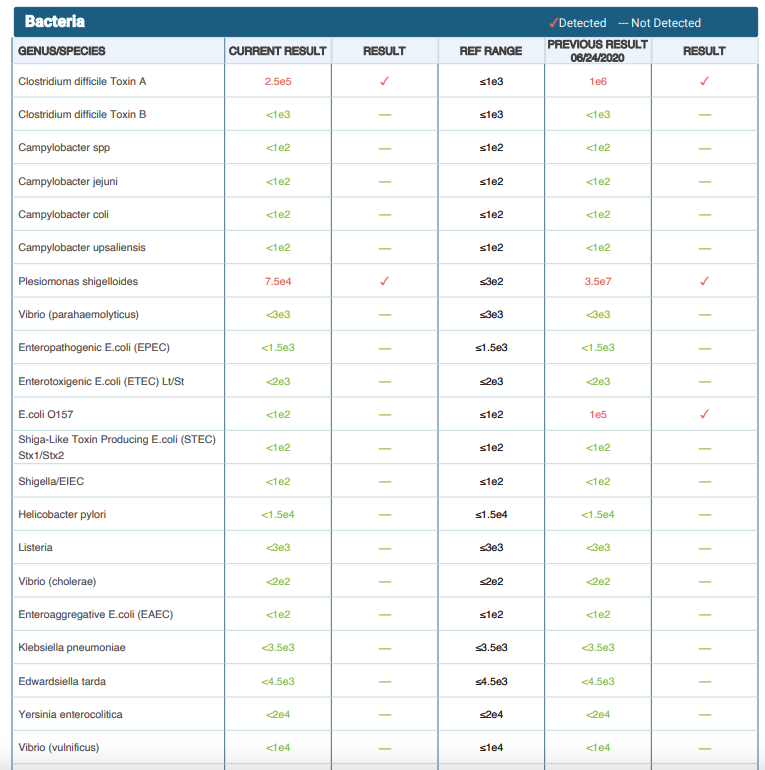
67 pathogenic microorganisms — including bacteria, fungi, parasites, and viruses
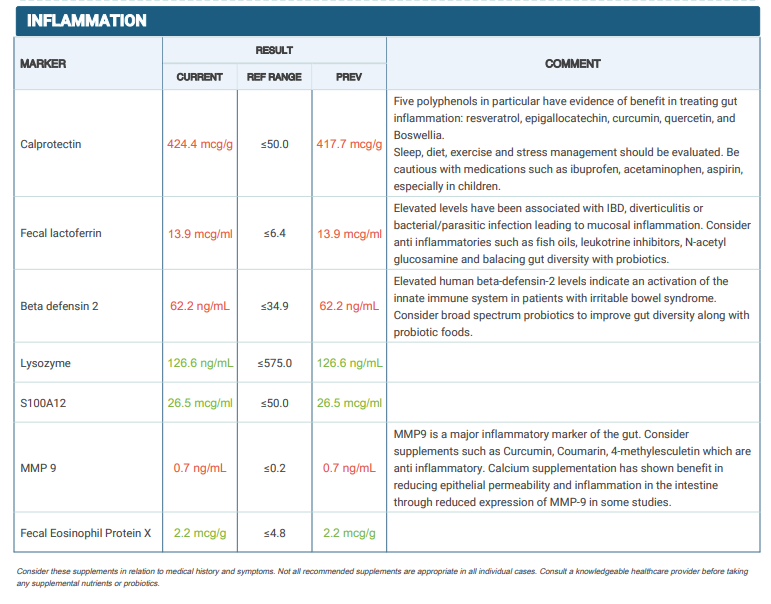
Inflammatory markers — signs of gut inflammation or immune activation
Digestive markers — how well your child is actually breaking down and absorbing food
Undigested fibers and meat — indicators of digestive insufficiency
Fecal zonulin — a marker of intestinal permeability (leaky gut)
Secretory IgA — can indicate food sensitivities
Specific probiotic needs — so we're not guessing which strains will actually help
Microbiome Testing
Get a clear picture of what's going on inside your child's gut — so we're not guessing, we're treating the actual problem 🎯
ADD-ON TO THE NOURISHED PATHWAYWhat's happening in your child's gut is affecting a lot more than their digestion.
Functional nutrition testing takes the guesswork out of your child's nutrition plan — uncovering the gut imbalances driving constipation, diarrhea, and digestive discomfort, and identifying root causes that standard pediatric visits often miss.
Here's the thing: the gut isn't just about digestion. It's connected to your child's immune system, their mood, their focus, their energy, how they sleep, and yes — even how they respond to food. When something is off in the gut, it tends to show up everywhere.
This stool test looks at the microbes living in your child's gut — the balance of bacteria, any pathogens present, how well they're digesting and absorbing nutrients, and whether there are signs of inflammation. Instead of treating symptoms in isolation, we get to see the full picture and actually address what's driving them.
Microbiome testing is available as an add-on to The Nourished Pathway — and it's one of the most eye-opening tools we have.
WANT TO NERD OUT?The gut-brain connection, backed by research.
The relationship between gut health and overall health isn't just a wellness trend — it's well-studied science. A few highlights:
Research suggests that autism spectrum disorder is associated with imbalanced gut microbiota (dysbiosis). PubMed →
"The gut microbiota has emerged as a key component in regulating brain processes and behavior." PubMed →
Improving gut health may actually influence food selections — not just digestion. PubMed →
A decrease in beneficial gut bacteria has been linked to deterioration in gastrointestinal, neuroendocrine, and immune function. PubMed →
INVESTMENTMicrobiome Testing — $700
Added to The Nourished Pathway program. Not available as a standalone service.
HSA and FSA accepted.
Testing is not reimbursable by insurance.
Not sure if this test is right for your child?
Bring it up on your free clarity call — or ask at your initial evaluation. We'll look at the full picture together and figure out what makes sense.