
Packaged snacks get a bad reputation, but convenience and nutrition aren't mutually exclusive. As a pediatric dietitian, I'm all for snacks that make feeding kids easier while providing meaningful nutrition!
And since packaged snacks aren’t going anywhere, I’m sharing 20 of my favorites for kids… from bars and bites to crackers, pouches, and better-for-you fruit snacks. You’ll also find a few simple ways to serve them to support balanced meals and encourage variety.
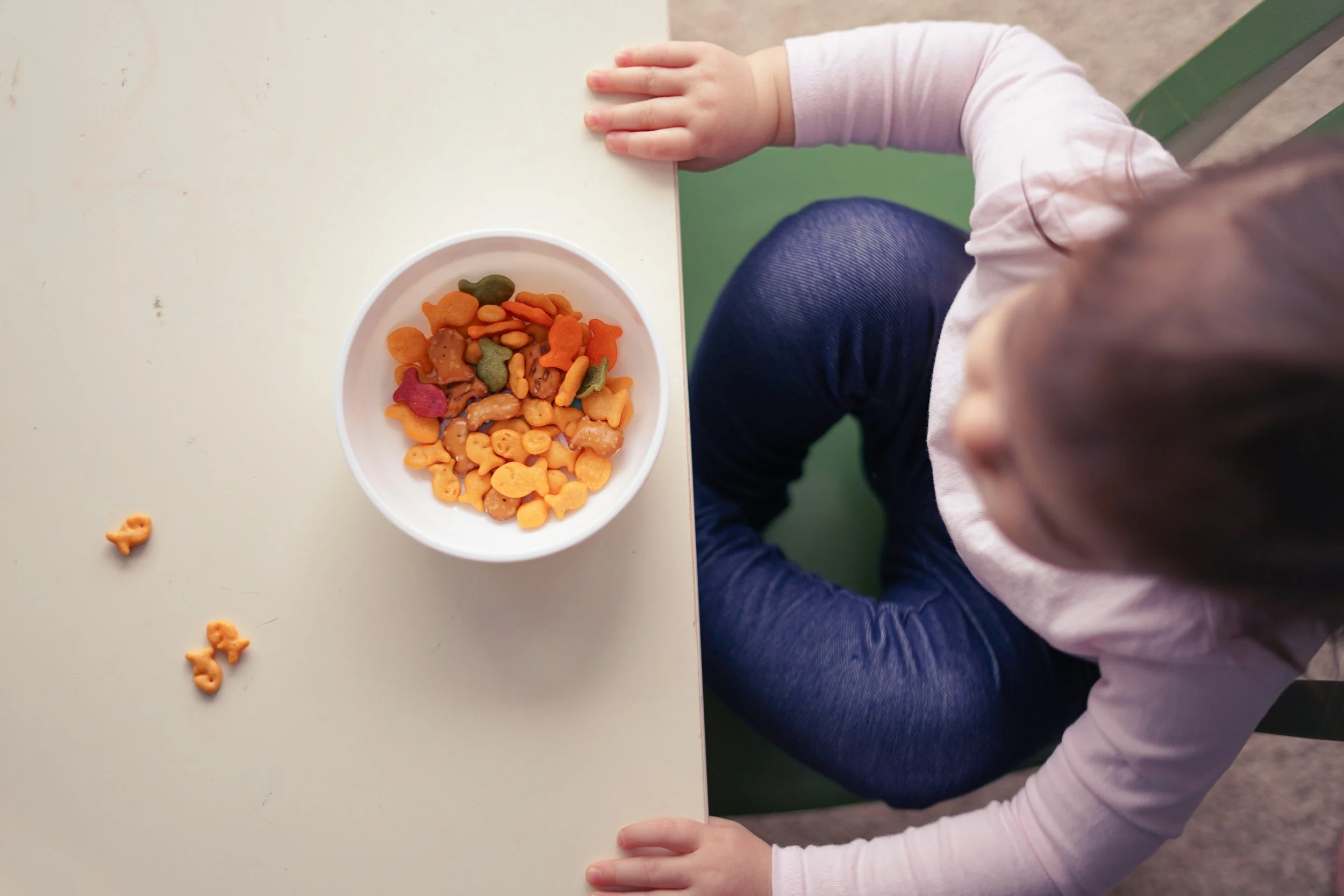
What I Look For in a Packaged Snack
A snack has one main job: carry your child to the next meal. These are the five things I check before I recommend a snack to the families I work with.
Protein, fat, or fiber. Crackers and puffs on their own digest rather quickly. A snack with some staying power - or paired with something with protein or fiber - keeps kids fuller longer.
Little to no added sugar. The AHA recommends less than 25 grams of added sugar a day for kids ages 2 to 18, and ideally 0 grams for children under 2.
Ingredients that contribute meaningful nutrition, like fruit, nuts, seeds, whole grains, or legumes.
A texture that matches your child's skills. Meltable puffs work for new eaters. Nuts, seeds, and popcorn are better for ages 4+, depending on your child's development.
Something your child will actually eat. A snack that sits in the lunchbox doesn't help anyone. A familiar favorite can also make it easier to try something new beside it.
My 20 Favorite Packaged Snacks for Kids
1. Skout Organic Kids Snack Bars
Skout Organic bars have organic dates and a short ingredient list. Chocolate Peanut Butter, for example, is just dates, peanut flour, peanut butter, cocoa, and sea salt. Flavors like Apple Pie have 0 grams of added sugar, and the bars are free of gluten, dairy, and soy.
Why parents love them: the Apple Pie bar has five ingredients you'd find in your own kitchen: dates, apples, sunflower butter, sunflower seed protein, and cinnamon.
My take: these have great ingredients, and some kids might prefer this texture over crunchier bars.
1 bar: 80 calories · 2 g protein · 2 g fiber

Skout Organic
2. YUMI Organic Bars
YUMI bars have a soft-baked oat crust and a fruit filling, with 0 grams of added sugar and 13 essential nutrients, including iron, fiber, and vitamin B12. Each bar includes a blend of vegetables, and the recipe is free of dairy, gluten, and peanuts. YUMI recommends them for seated children who are used to chewing solid foods.
Why dietitians love them: 5 grams of fiber in a 70-calorie toddler bar is hard to find, and it comes with 2 mg iron per serving, too! Iron is one of the nutrients I watch most closely in picky eaters, so a bar that adds some bonus iron is really nice!
1 bar: 70 calories · 2 g protein · 5 g fiber
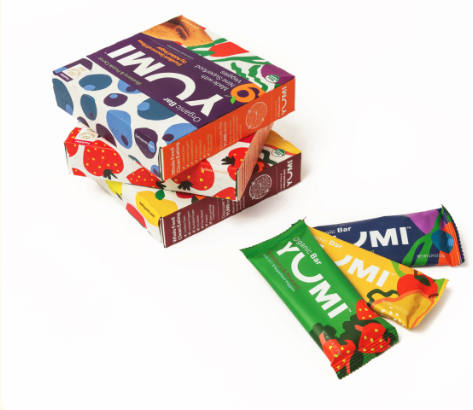
YUMI Organic Bars
3. NOKA Superfood Smoothie Pouches
NOKA pouches are organic fruit and vegetable smoothies with 5 grams of plant protein, omega-3s from flaxseed, prebiotic fiber, and no added sugar.
A parent once asked me, in surprise, "Kids can have Noka pouches?" and I answered (also in surprise): "Adults eat Noka pouches?" Honestly, they're good for both. They're also shelf-stable, so they can live in the car or the diaper bag without a cooler. They taste best chilled, though.
My take: the protein and fiber make these more filling than most pouches. Occasionally, I recommend pouring the pouch into a small cup or bowl so your child gets practice drinking and using a spoon.
1 pouch: 120 calories · 5 g protein · 5 g fiber
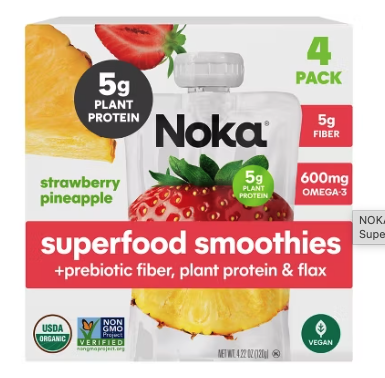
NOKA Pouch (for kids & adults)
4. Good & Gather Freeze-Dried Fruit (Target)
Target's Good & Gather freeze-dried fruits have one ingredient: fruit! They come in multipacks of small single-serve bags, and there are other fruits and blends too, including edamame.
My take: freeze-dried fruit is one of my favorite food bridges for kids who avoid fresh fruit. It has familiar fruit flavor and it’s a predictable crunchy, consistent, & homogenous texture that melts in the mouth - similar to most kids’ favorite chips or crackers.
1 package (35g) peach slices: 120 calories · 3 g protein · 4 g fiber
I’m honestly not sure where all that protein is coming from, but I’m not complaining!
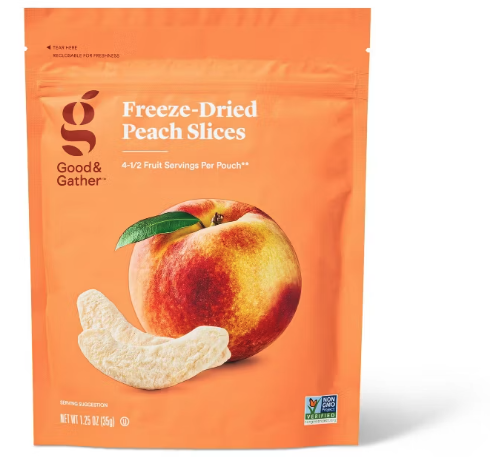
Good & Gather freeze-dried peaches
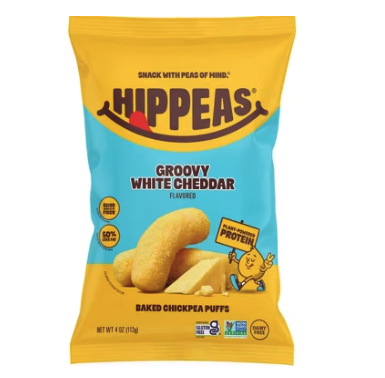
5. Hippeas Chickpea Puffs
HIPPEAS are organic puffs made from chickpeas, with 4 grams of protein and 3 grams of fiber per 1 oz serving. They're certified gluten-free and vegan, with no peanuts, tree nuts, or soy.
Why parents love them: they're dairy-free and free of the top 9 allergens, which makes them easy to share at school and parties.
My take: kids who love cheesy puffs often accept these right away, and they bring more protein, fiber, and iron than most crunchy snacks.
1 oz: 130 calories · 4 g protein · 3 g fiber (label)
Hippeas Chickpeas Puffs
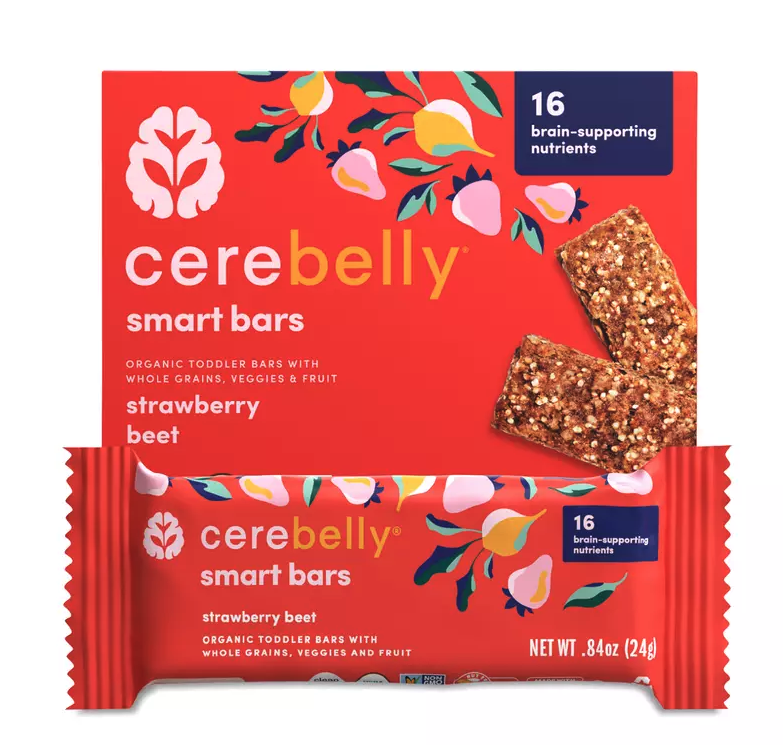
6. Cerebelly Smart Bars and Clever Bars
Cerebelly Smart Bars are organic, vegetable-forward toddler bars with 0 grams of added sugar and 3 grams of protein. They're nut-free, gluten-free, and dairy-free, which makes them school-safe.
For older kids, Cerebelly's new Clever Bars have 5 grams of protein, 6 grams of fiber, and 0 grams of added sugar.
My take: an easy way to offer vegetables in a familiar bar format. The Clever Bars' protein and fiber make them a good fit for bigger appetites.
Cerebelly Smart Bars
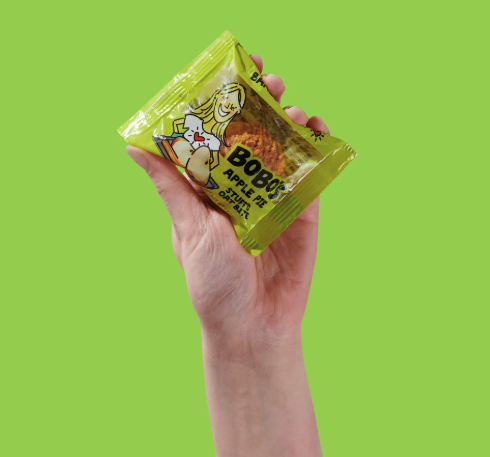
7. Bobo's Oat Bites
Bobo's Oat Bites are soft-baked bites made from whole grain oats. They're gluten-free, dairy-free, and vegan, and the Stuff'd versions have a fruit jam center.
Why kids love them: they're soft and shaped like a mini muffin, with jam baked into the middle.
My take: these are heartier and sweeter than most of the snacks on this list, so I think of them as a good pick for active days or bigger appetites.
1 [Apple Pie] bite: 140 calories · 2 g protein · 2 g fiber, with 9 g added sugar
Bobo’s Oat Bites
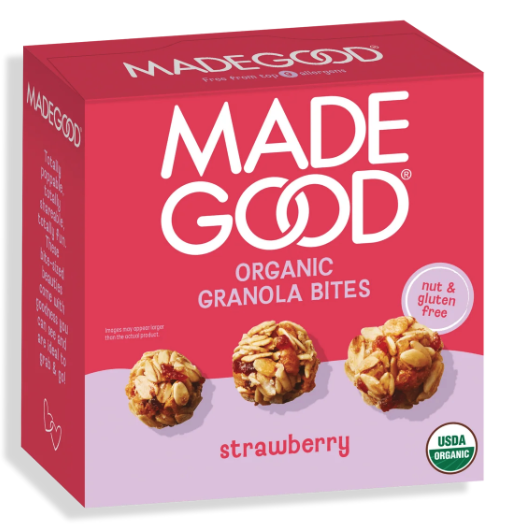
8. MadeGood Granola Bites
MadeGood Granola Minis are organic, gluten-free, vegan granola bites made in a dedicated facility free from peanuts, tree nuts, wheat, soy, dairy, egg, sesame, fish, and shellfish. They also contain nutrients from vegetable extracts like spinach, broccoli, and carrots.
Why parents love them: they're one of the easiest snacks to send to a nut-free classroom without reading every line of the label.
My take: a reliable pick for nut-free classrooms and kids with food allergies, and higher in calories for kids who need a little more weight gain support.
1 pouch: 110 calories · 2 g protein · 2 g fiber, with 6 g added sugar
MadeGood Granola Minis
9. Solely Organic Fruit Jerky
Solely fruit jerky is made from one or two organic fruits, like mango and guava, with no added sugar, preservatives, or concentrates.
My take: a simple swap for gummy fruit snacks. Better for school-aged kids because it can be more difficult to chew.
Why parents love them: the ingredient list is just the fruit named on the front of the package.
1 Mango & Guava strip: 60 calories · 1 g protein · 2 g fiber
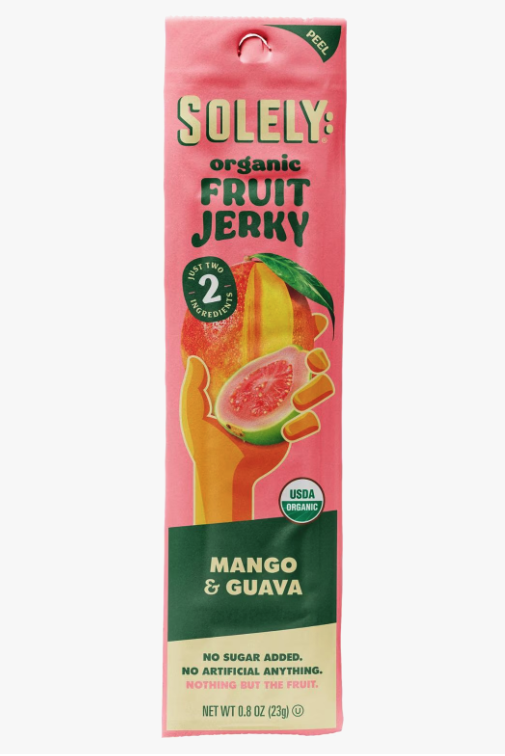
Solely fruit jerky strips
10. Amara Organic Fruit Bites
Amara Fruit Bites are organic, fruit-shaped bites made with real fruit and coconut milk, with no added sugar and no artificial colors or flavors. They're dairy-free and made for babies and toddlers, starting at 8 months and up.
Why parents love them: the resealable bag makes it easy to offer a small portion and save the rest for later.
My take: these are a great swap for gummy fruit snacks for little ones. They melt in the mouth, which makes them easier for new eaters to manage, and the fruit shapes make them fun for toddlers.
1/4 cup, Sweet Strawberry: 35 calories · less than 1 g protein · 1 g fiber
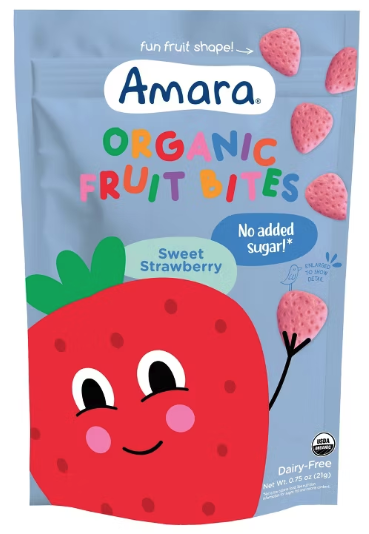
Amara Organic Fruit Bites
11. WILDE Protein Crackers
WILDE Protein Crackers are cheese crackers made with chicken breast as the first ingredient, plus chicken bone broth and real cheese. I know it sounds crazy, but these are phenomenally delicious.
Each serving has 12 grams of protein, about four times as much as leading cheese crackers. They have “live active sourdough” as an ingredient which makes it taste a lot like the tangy cheez-it flavor.
My take: for kids who love cheese crackers, this is a simple way to add a lot more protein to snack time without changing the familiar look and crunch.
Classic Cheddar, about 20 crackers: 140 calories · 12 g protein · 1 g fiber
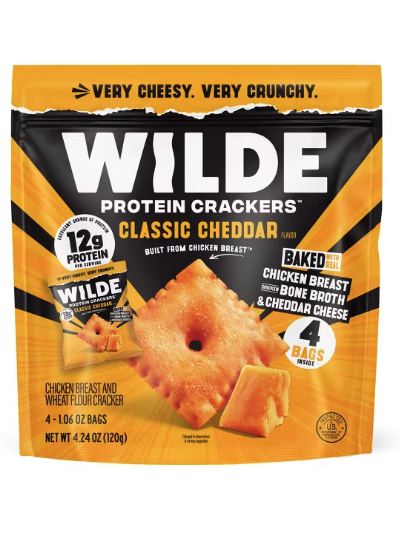
Wilde Protein Crackers
12. LesserEvil Crunchy Cheezmos
LesserEvil Crunchy Cheezmos are organic corn snacks made with real organic cheddar and cooked in avocado and coconut oils. They come in single-serve snack packs, and the Cowboy Cheddar flavor has 0 grams of added sugar.
Why parents love them: they're a classic cheese puff with a cleaner label.
My take: this is a better-ingredient version of a classic cheese puff, and a fun snack in its own right. I recommend pairing with something higher in fiber or protein, like a fruit or cheese stick.
1 oz Cowboy Cheddar: 130 calories · 2 g protein · 1 g fiber
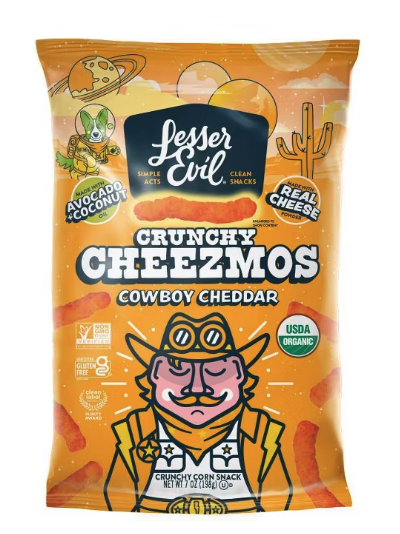
Lesser Evil Crunchy Cheezmos
13. Smash Foods Toasties
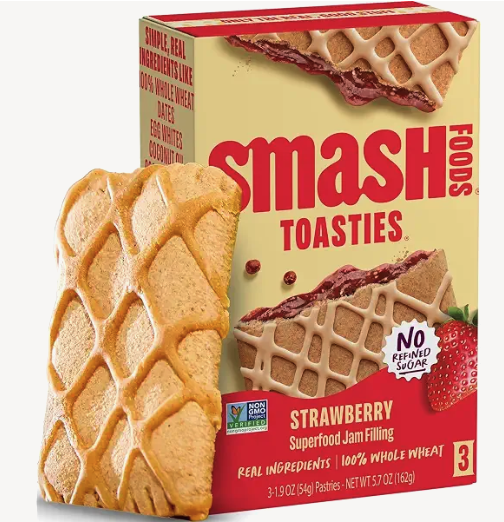
Smash Toasties are toaster pastries with a whole wheat crust and a fruit jam filling, made without refined sugar. They're sweetened with dates and coconut sugar.
Why parents love them: the crust is 100% whole wheat, which we don’t find in most toaster pastries.
My take: a better-ingredient swap that works for breakfast on the go or an after-school snack. Coconut sugar is still sugar, so this one is more of a treat than a daily thing, but still better than a pop-tart.
1 Strawberry Toastie: 200 calories · 3 g protein · 2 g fiber, with 6 g added sugar
Smash Toasties
14. Bob Snail Fruit Rolls
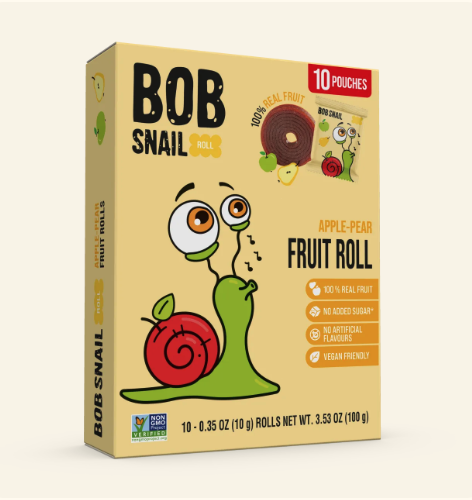
Bob Snail Fruit Rolls are made from 100% real fruit. The Apple Raspberry flavor is just apples and raspberries, with no added sugar and no artificial flavors.
My take: kids love unrolling the snail shape, which makes this a fun swap for the typical candy-style fruit snacks. They're small and chewy, so they might not be appropriate for toddlers. 4 grams of fiber is a lot for a fruit snack - you won’t find that in a fruit roll-up!
3 Apple Strawberry rolls: 90 calories · 1 g protein · 4 g fiber
Bob Snail Fruit Rolls
15. BEAR Real Fruit Snacks
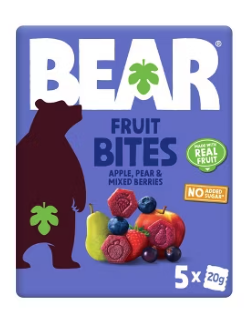
BEAR fruit snacks are made from real fruit with no added sugar and no ingredients from concentrates. They're gluten-free, vegan, and kosher.
My take: another simple swap for gummy fruit snacks. These might be more appropriate for older kids, or toddlers with excellent chewing skills. Pair with a protein for a more balanced snack.
Why kids love them: every pack comes with a collectible card.
1 pack, Apple-Pear Strawberry: 60 calories · 0 g protein · 2 g fiber
BEAR Fruit Bites
16. Mamma Chia Organic Chia Squeeze
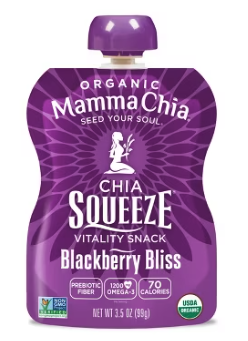
Mamma Chia pouches blend chia seeds with fruit and vegetables, with 1,200 milligrams (!!!) of plant-based omega-3s (that’s ALA), prebiotic fiber, and 70 calories per pouch. They're organic, vegan, and gluten-free.
My take: the chia seeds give these a texture some kids love and others need time to warm up to.
Kids love it: because it’s in a pouch.
70 calories · 2 g protein · 3 g fiber, with 5 g added sugar from fruit juice concentrate
Mamma Chia Squeeze
17. Brainiac Brain Squeezers Applesauce
Brainiac applesauce pouches add omega-3 DHA and EPA (from fish oil), choline, and vitamin C to applesauce, with no added sugars. They're gluten-free and dairy-free.
My take: did you know that 55% of kids ages 4-6 aren’t getting enough choline? (PMID: 26886842) The best source of choline is from eggs or liver. I don’t know about you, but I’ve never met a kid who eats liver, and many struggle with eggs. This product fills in that gap in a friendly pouch format. Big fan over here.
1 pouch: 55 calories · <1 g protein · 1 g fiber
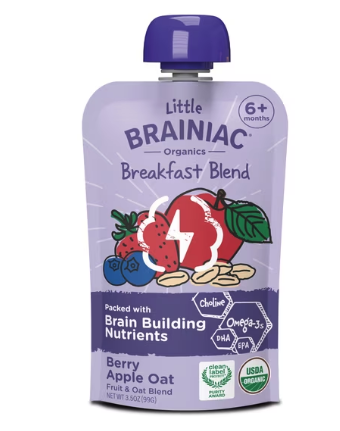
Brainiac applesauce pouches
18. Once Upon a Farm Soft-Baked Bars
Once Upon a Farm Soft-Baked Bars are organic oat bars made with real fruit and vegetables, sweetened with dates, with no added sugar. Recommended for kids ages 4 and up.
Why kids love them: they taste like a soft-baked cookie.
My take: soft, cookie-like, and filling enough for an after-school snack. Pair one with milk or yogurt for extra protein.
1 Mixed Berry bar: 150 calories · 1 g protein · 3 g fiber
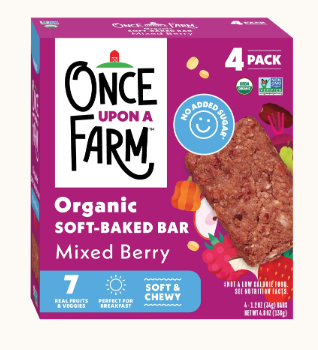
Once Upon A Farm Soft Baked Bar
19. Crunchy Roasted Edamame
Dry roasted edamame, like The Only Bean Sea Salt, is one of the highest-protein snacks on this list. A serving has 14 grams of plant-based protein and 6 grams of fiber, and the ingredient list is just edamame, sea salt, and avocado oil.
My take: a great crunchy, savory option for older kids. Plus, one serving has about as much protein as two eggs.
Whole roasted beans are small and hard, so save them for kids 4 and up who chew well.
1 serving, The Only Bean Sea Salt: 120 calories · 14 g protein · 6 g fiber
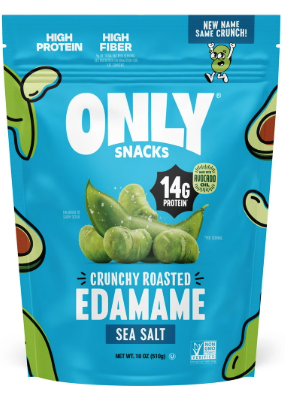
20. cadootz! Crackers
cadootz! crackers are organic crackers made for kids, with 5 grams of protein per serving in the Cheddar flavor. They're made with gluten-free oat flour, and they come in Cheddar, Sea Salt, and Ranch.
My take: a nice upgrade for kids who live on goldfish. Pair them with fruit or veggies and dip for a more balanced snack.
Cheddar crackers (75 ct): 50 calories · 5 g protein · 2g fiber
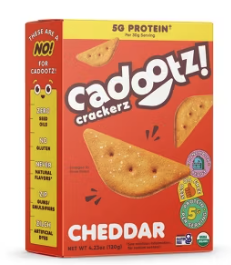
cadootz! crackers
How to Serve Packaged Snacks So They Don’t Ruin Meals
What you offer matters just as much as how you offer it. The following habits help packaged snacks support mealtimes instead of replacing them.
Keep a routine. Most kids do well with 3 meals and 1-2 planned snacks a day. Leaving at least 2 hours between eating times gives your child a chance to come to meals hungry.
Pair it with a whole food. Puffs with berries, freeze-dried fruit with a cheese stick, or a pouch with a few crackers turns a light snack into a more filling one - more like a “mini meal”.
Serve it from a bowl or plate. Eating seated, from a dish instead of the bag, helps kids notice when they're full. It's also safer for young eaters.
Offer preferred foods alongside new foods. You can offer fresh fruit or veggies alongside packaged snacks listed here. They can look, touch, or taste it, with no pressure to eat it.
Rotate brands and flavors. Some kids get attached to one specific package. Switching flavors, shapes, and brands from week to week keeps their list flexible.
When Snack Time Points to Something More
For some families, packaged snacks are the few foods a child will reliably eat. If that sounds like your house, there is usually a reason behind it.
It may be time to get support if your child:
Eats a short list of foods that keeps getting shorter
Only accepts certain brands or packages
Gags or gets upset with new textures
Has growth or weight gain concerns
Deals with ongoing constipation or tummy discomfort
Grazes all day and rarely comes to meals hungry
At Nourished Pediatrics, we help families find the why behind their child's eating so meals feel calmer and your child's food list can grow. Learn more about our services at www.nourishedpediatrics.com/services
Frequently Asked Questions
Are packaged snacks healthy for kids?
They can be! Look for snacks with protein, fat, or fiber, little to no added sugar, and a short ingredient list. Pairing a packaged snack with a whole food: a fruit, vegetable, or dairy food makes it more balanced.
How much added sugar is OK in a kids' snack?
The American Heart Association recommends less than 25g of added sugar per day for kids ages 2 to 18, and 0g for children under 2. For everyday snacks, zero to a few grams leaves room for the rest of the day.
What are good packaged snacks for toddlers?
Soft bars with no added sugar, like Cerebelly Smart Bars and YUMI bars, freeze-dried fruit, and smoothie pouches with protein are all good options. Choose textures that match your toddler's chewing skills, and break bars into smaller pieces for younger eaters.
Are puffs a good snack for babies or toddlers?
Puffs are helpful for practicing self-feeding and pincer grasp for babies. For toddlers, they’re really not filling since they are so low in calories. We recommend serving them with a more filling food.
What should I look for in a kids' snack bar?
Look for a short ingredient list, little to no added sugar, and some protein or fiber. Many kids' bars are small, so pairing one with fruit, yogurt, or cheese makes it more filling.
How many snacks should kids have a day?
Most kids do well with 3 meals and 1-2 planned snacks. Spacing eating times 2 hours apart helps kids come to meals hungry.
