
Baby Probiotics: How to Support Infant Gut Health From the Start
The first year of life is one of the most important periods for your baby's gut health. Solid foods are being introduced, the microbiome is diversifying rapidly, and the foundation for how your child digests food, absorbs nutrients, and builds a healthy appetite is being laid right now.
Baby probiotics are one tool that can make a real difference during this stage, particularly for infants who have experienced factors that may disrupt early gut health. But not all probiotics are created equal, and not every baby needs them in the same way.
Here's what you actually need to know.
First: Definitions
Probiotics are live beneficial bacteria. They're the actual microorganisms that take up residence in your baby's gut and support digestion and immune function.
Prebiotics feed those bacteria. Without prebiotics, probiotic bacteria have a harder time surviving and thriving once they reach the gut. A common prebiotic is HMO (Human Milk Oligosaccharide).
A synbiotic combines both probiotics and prebiotics in one product. The prebiotics help nourish the beneficial bacteria and may improve their ability to function within the gut. It’s also more similar to how probiotics and prebiotics are found in nature: together.
Why the 6-12 Month Window Matters So Much
When your baby starts solids (around 6 months), their gut microbiome shifts dramatically. New bacteria are introduced through food, and the diversity of the microbiome begins to expand in ways that shape long-term health, including immune function, digestion, and appetite development.
The first year of life plays a major role in shaping the microbiome, and early patterns may influence health well beyond infancy.
This is also a time when gut disruptions are common. Antibiotics, constipation as new foods are introduced, or disruption in early microbiome development (from C-section birth or formula feeding without HMO support) can all affect how well the gut is set up for what comes next.
Things That Can Disrupt Your Baby's Gut During This Stage
Even one round of antibiotics can significantly shift the balance of gut bacteria in infants. While antibiotics are sometimes absolutely necessary, they don't discriminate; they reduce beneficial bacteria alongside the harmful ones.
Babies born via C-section miss the beneficial bacterial exposure that happens during a vaginal birth. That early disruption can linger into toddlerhood and beyond, making additional gut support especially valuable.
When solids are introduced, constipation is common. But constipation isn't just uncomfortable - it can be a sign that the gut microbiome isn't balanced.
Formula-fed babies also tend to have lower levels of beneficial Bifidobacterium species compared to breastfed babies, especially if their formula doesn't contain HMOs.
Can Food Help Support Baby’s Microbiome Too?
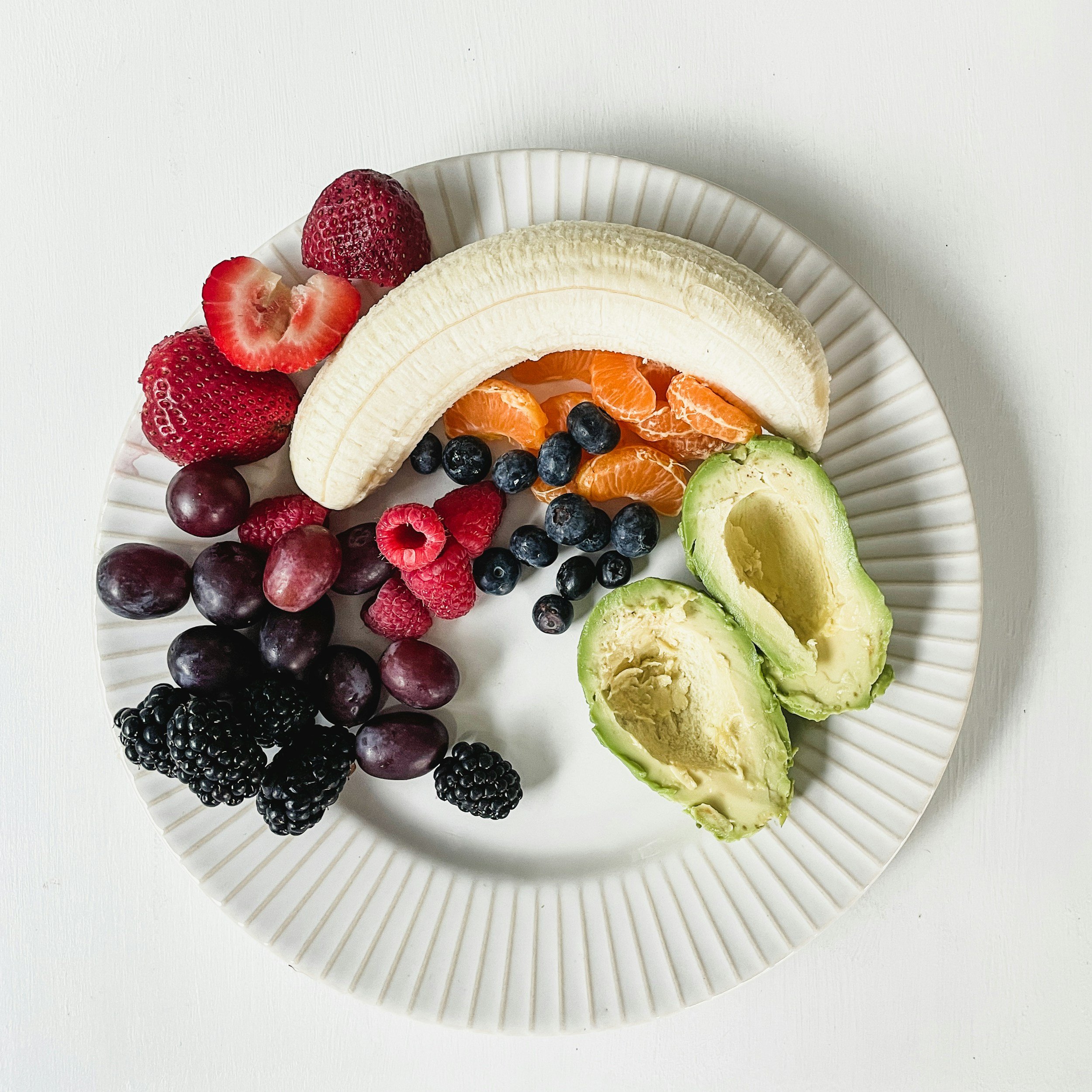
Probiotics aren't the only way to support baby gut health. Offering a variety of fruits, vegetables, whole grains, and other fiber-containing foods helps feed beneficial gut bacteria as your baby grows and their diet expands. Diversity in the diet = diversity in the microbiome.
Signs Your Baby's Gut Might Need Support
Every baby is different, but these are signs worth paying attention to:
— Gassiness or fussiness after feeds that doesn't seem to be improving
— Constipation or irregular (diarrhea, mucousy) stool
— Eczema
— Poor appetite
— A history of antibiotic use, C-section birth, or formula feeding without HMO support
None of these signs mean something is seriously wrong, but they're all worth addressing rather than waiting out.
What to Look for in the Best Baby Probiotics
Strain specificity matters. Probiotic benefits are strain-specific, meaning the research on one strain doesn't automatically apply to another. Look for the full strain name on the label (genus, species, and strain identifier) — not just a brand name or a general species. For infants, well-studied strains include Lactobacillus reuteri, Bifidobacterium infantis, Bifidobacterium bifidum, and Lacticaseibacillus rhamnosus.
Prebiotics make a difference. Human milk oligosaccharides are naturally found in breast milk. When paired with probiotics in a synbiotic formula, they help the bacteria survive and actually do their job once they reach the gut.
Third-party testing is non-negotiable. Supplements aren't regulated the same way medications are, so independent testing for quality and safety is how you know what's on the label is actually in the product.
Dose is important. CFU (Colony Forming Unit) count matters, but more isn't always better. The right dose depends on the specific strain and the research supporting that product. Many infant probiotics provide between 1 and 5 billion CFUs daily.
A Synbiotic Worth Knowing About
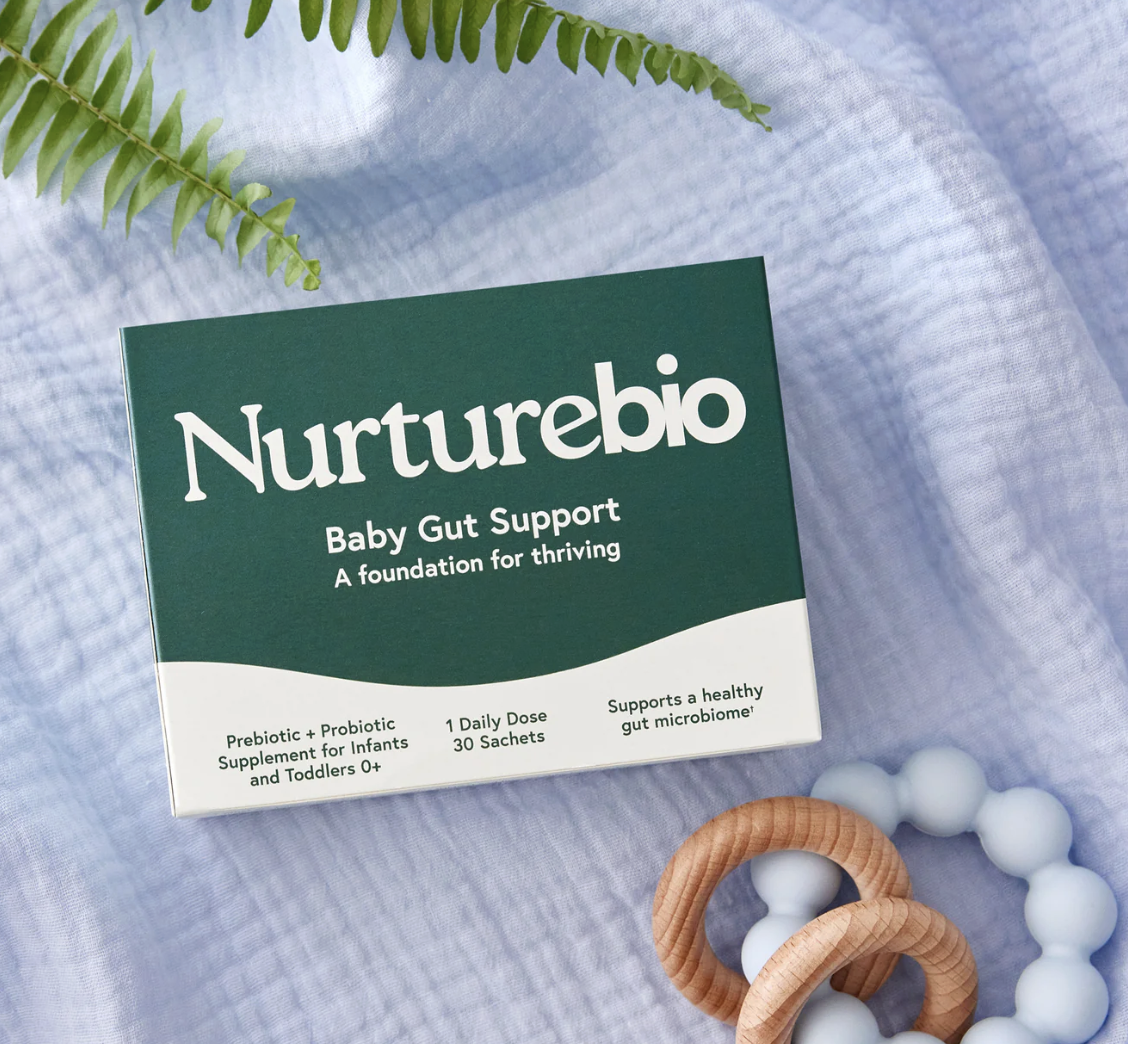
NurtureBio is one of the few infant synbiotics that checks all of these boxes. It combines four probiotic strains specifically studied in infants with a blend of five HMOs (the same prebiotics naturally found in breast milk) so the bacteria have what they need to proliferate in the gut. It's third-party tested, comes in single-serve dissolving powder packets, and mixes easily into formula, pumped breast milk, or soft foods.
If your baby has had antibiotic exposure, was born via C-section, has skin issues like eczema, or is showing signs of digestive discomfort as solids are introduced, it's worth asking your pediatrician or dietitian whether a synbiotic like NurtureBio makes sense.
Frequently Asked Questions
Do babies actually need probiotics?
Not every baby does — but many can benefit, especially if there's been any disruption to the gut microbiome early on (like antibiotic use, c-section birth, etc). Think of it less as a requirement and more as targeted support for babies who need it.
When should I start baby probiotics?
It’s never too early to start if your baby is showing signs of gut disruption or has any risk factors. Infant probiotics can be used from birth, and it may be beneficial to start if your baby has concerns with eczema, constipation, or diarrhea.
Can I give my baby probiotics every day?
Yes, and consistency is actually important. The beneficial bacteria in probiotics don't permanently colonize the gut, which is one reason consistent use is often recommended. Daily use is generally how the research is done, and it's how most infant probiotics are dosed for optimal effect.
Can I mix probiotics into breast milk or formula?
Yes, with one caveat: avoid mixing into hot liquids, which can kill the live bacteria. Room temperature or lukewarm breast milk or formula is fine. Powder formats like NurtureBio are designed specifically to mix easily into bottles or soft foods.
The Bottom Line
Supporting your baby's gut health during the first year is one way you can help build a strong foundation for long-term health.
If you're noticing signs that your baby's gut needs support and you want a more individualized approach, I'd love to help. Learn more about working together on my services page.
As always, talk with your pediatrician or dietitian before starting any new supplement.
---
This post is sponsored by NurtureBio. All opinions and recommendations are my own - I truly love this product.
