
Iron for Kids: Signs of Deficiency, Best Foods, and What Often Gets Missed
Iron is one of the most critical nutrients especially in the first few years of life. This is a period of rapid brain development that can’t be replicated later, which is why getting enough iron early on is so important.
Around 6 months, the iron stores babies are born with start to run low. It’s completely normal - and it’s exactly why iron-rich foods become a priority when starting solids.
Without enough iron, infants may be at risk for iron deficiency, which can affect growth, learning, and overall development.
Iron also plays a role in appetite and sleep. Some babies and toddlers with low iron seem less interested in eating or harder to settle. Getting iron intake right early helps set the foundation for healthy eating and better sleep (for everyone)!
How Much Iron Do Kids Need?
Iron needs stay high well beyond infancy.
7–12 months: 11 mg
1–3 years: 7 mg
4–8 years: 10 mg
9–13 years: 8 mg
A few things worth knowing:
The drop from infancy to toddlerhood is real — but 7 mg is still significant, especially for a kid surviving on goldfish crackers and air 😊
Requirements jump again at age 4, which most parents don’t expect.
Girls need more iron after puberty - that’s a conversation for another post, but wanted to mention it doesn’t level off.
Iron can come from food, breast milk or formula (in infancy), and supplements if recommended. Not every child needs a supplement - and more iron isn’t always better.
Too much of a good thing is a bad thing - the reason most kids vitamins are child-proof is because of the iron.
Accidental overdose of iron-containing products is a leading cause of fatal poisoning in children under 6, which is exactly why iron supplements require child-resistant caps and should always be stored out of reach.
Because of their small size, kids can quickly reach a toxic dose — especially if they get into adult or prenatal multivitamins, which contain far more iron than children's formulas.
It’s extremely difficult to overdose on iron from food alone. The body naturally regulates how much iron it absorbs from food, so eating iron-rich meals isn't a concern.
When to Start Iron-Rich Foods
Most babies are ready around 6 months, when they’re showing signs like:
Sitting with some support
Good head control
Showing interest in food
Starting iron-rich foods early supports both nutrition and feeding confidence — for your baby and for you.
Signs Your Baby May Need More Iron
Symptoms can vary, but signs of low iron in infants may include:
Low energy or unusual fatigue
Pale skin
Slow weight gain
Decreased appetite
Irritability
If you’re noticing any of these, that’s a good moment to loop in your pediatrician or a pediatric dietitian.
Iron and Picky Eating: What Changes After Age 1
Iron deficiency doesn’t just happen in infancy — it’s actually common in toddlers too, and picky eating is a big reason why.
Around 12 months, a lot changes. Babies transition off iron-fortified formula (or breast milk), appetites naturally shrink, and food preferences start to narrow. The foods toddlers tend to reject - meat, beans, leafy greens - happen to be the best sources of iron. It’s a perfect storm.
If your toddler is eating a beige diet, surviving on crackers and cheese, or refusing whole food groups, their iron intake may be lower than you think - even if they seem otherwise healthy.
This is exactly the kind of pattern that’s easy to miss at a routine well-child visit but makes a real difference when you catch it early. Iron affects energy, focus, appetite, and sleep - so if something feels off, it’s worth looking at the full picture.
Best Iron-Rich Foods for Infants and Toddlers
Starting solids is already a lot. The good news: iron-rich foods don’t have to be complicated. Here are the ones worth prioritizing:
1. Iron-Fortified Oat Cereals
Easy to prepare and easy to adjust in texture
Lower in arsenic than rice-based cereals
Tip: Mix with breast milk or formula for a more familiar flavor.
One common concern: will iron cause constipation? Generally, no — infant cereals contain smaller amounts of iron in forms that tend to be well-tolerated. Some changes in stool are normal as your baby’s digestive system adjusts to solids.
2. Pureed or Soft Meats
Chicken, turkey, beef — all good sources of heme iron
Tip: Blend with broth or vegetables for a smoother texture.
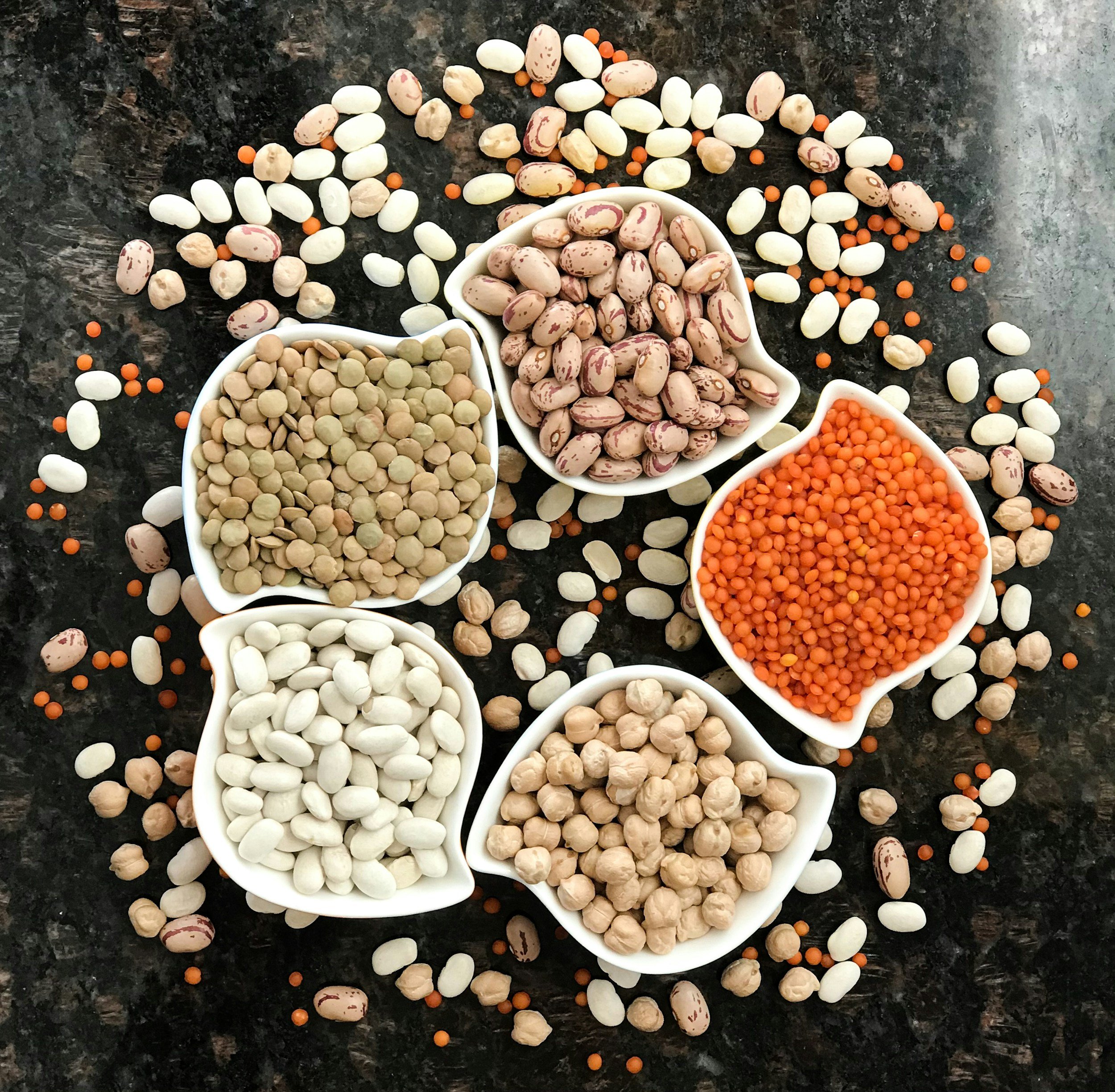
3. Beans and Lentils
Lentils, black beans, chickpeas
Great for fiber and plant-based variety
Tip: Mash well or puree smooth.
4. Eggs
Soft scrambled or mashed hard-boiled
Tip: Introduce gradually and watch for any reactions.
5. Dark Green Vegetables
Spinach, kale, broccoli
Tip: Steam and blend for the easiest eating.
Understanding Heme vs. Non-Heme Iron
Not all iron works the same way, and knowing the difference helps you feed your baby more strategically.
Heme iron
• Found in meat, poultry, and fish
• Absorbed more efficiently by the body
Non-heme iron
• Found in beans, lentils, spinach, and fortified cereals
• Less efficiently absorbed — but absorption improves significantly when paired with vitamin C
Both matter. Offering a mix of sources is the goal.
How to Improve Iron Absorption
Pair with vitamin C
Vitamin C meaningfully increases how much non-heme iron your baby absorbs.
• Add fruit like strawberries, mango, or orange
• Pair meals with bell pepper or tomato
Be mindful of calcium timing
Calcium competes with iron for absorption. When you can, offer dairy separately from iron-rich meals — though don’t stress about getting it perfect every time.
The body also has a built-in iron recycling system that reuses iron efficiently. Nutrients like vitamin A and copper support how iron gets transported and used — another reason variety matters.
Simple, Balanced Meal Ideas
Not sure how to put this into practice? Start here:
Iron-fortified cereal + mashed strawberries
Pureed chicken + sweet potato
Lentils + spinach puree
Scrambled eggs + avocado
Small combinations go a long way. It doesn’t have to be complicated.
Iron-Rich Smoothie for Kids
Smoothies are one of the easiest ways to pack iron into a meal. This one pairs iron-rich ingredients with vitamin C to boost absorption — and it tastes like a treat.
Ingredients (makes 2 servings)
• 1 cup baby spinach
• 1/2 cup frozen mango chunks
• 1/2 cup frozen strawberries
• 1/3 cup cooked lentils (cooled)
• 1 cup orange juice (100%)
• 1 small ripe banana
• 1 tablespoon hemp seeds
Steps
Add spinach, lentils, OJ, and banana to the blender first — putting leafy greens and lentils closest to the blade helps them blend smoothly.
Add frozen mango and strawberries on top.
Blend on high until completely smooth, about 60 seconds. If too thick, add a splash more OJ or water.
Pour into a cup and top with hemp seeds. Serve immediately or store in the fridge for up to 24 hours — shake or stir before serving.
Notes
This recipe provides 3 mg of iron per serving (that’s IF your kiddo drinks all of it). That's about 35% of a toddler's daily needs (7 mg) in one smoothie.
Why OJ and not milk? Calcium competes with iron for absorption — so this smoothie intentionally skips dairy. Orange juice pulls double duty as the liquid base and a high vitamin C source, which actively boosts iron absorption. Save the milk for a separate snack.
Lentils in a smoothie? You won’t taste them - they blend completely smooth and add a subtle creaminess. Use any color; red lentils have the mildest flavor.
Picky eater tip: If your toddler is suspicious of green, serve in an opaque cup with a straw. You can also start with less spinach and work up.
Make it less sweet: Reduce mango and swap OJ for half water if your toddler is sensitive to strong flavors.
Food vs. Supplements: Finding the Right Balance
Food first is always our starting point. Iron-rich foods provide additional nutrients, support variety, and tend to be gentler on digestion. But there are situations where food alone doesn’t meet a baby’s needs, and that’s where supplements have a role.
Not every child needs a supplement, and more isn’t always better. Your pediatrician can help you figure out what’s right for your baby specifically.
Why Your Baby’s Stool May Look Dark or Black with Iron
If your baby is taking an iron supplement, darker stools - sometimes dark green or even black - are normal and harmless.
Here’s why: not all iron is absorbed. The remainder travels through the digestive tract and can react with natural gut bacteria, producing compounds that darken the stool.
What’s normal:
• Color changes are expected and don’t indicate a problem
• Stool texture may shift slightly as your baby adjusts
When to call your pediatrician:
• Tarry, sticky stools with a strong odor
• Blood in the stool
• Your baby seems unwell or uncomfortable
Ferritin vs. Hemoglobin: What the Labs Actually Mean
If your child has had bloodwork done, you may have seen both of these on the results — and wondered what the difference is.
Ferritin is the storage form of iron and the first lab value to drop when iron is running low — sometimes months before anything else looks abnormal. Think of it as your child's iron reserve tank. It requires a blood draw, so it's typically done at a lab rather than at a routine well-child visit.
Hemoglobin is what most pediatricians check at the 12-month visit via a quick fingerstick in the office — no phlebotomy needed, which makes it easy to do on the spot. The tradeoff: hemoglobin is the first lab index to decline only with more advanced iron deficiency, meaning a child can have a normal hemoglobin and still have low ferritin. By the time hemoglobin drops, iron stores have often been low for a while.
If your child's routine fingerstick came back normal but something still feels off — low energy, poor appetite, irritability — it's worth asking your pediatrician specifically about a ferritin level.
Final Thoughts
Iron is one of those things that's easy to overlook — until it’s affecting energy, sleep, and appetite. The good news is that small, consistent changes to what's on your child's plate can make a real difference.
You don't have to get it perfect every day. Variety, consistency, and following your child's cues go a long way.
And if something still feels off - or you want to skip the guesswork entirely - micronutrient testing can show you exactly where your child stands. Learn more about micronutrient testing here or book a discovery call at www.nourishedpediatrics.com/apply.
References
Van Elswyk ME, Murray RD, McNeill SH. Iron-Rich Complementary Foods: Imperative for All Infants. Curr Dev Nutr. 2021;5(10):nzab117.
Lozoff B, Georgieff MK. Iron deficiency and brain development. Semin Pediatr Neurol. 2006;13(3):158-65.
Özdemir N. Iron deficiency anemia from diagnosis to treatment in children. Turk Pediatri Ars. 2015;50(1):11–19.
Killip S, Bennett JM, Chambers MD. Iron deficiency anemia. Am Fam Physician. 2007;75(5):671-678.
U.S. Food and Drug Administration. Label warning statements for iron-containing dietary supplements and drugs. FDA; 2018.
Manoguerra AS, et al. Iron poisoning: an evidence-based consensus guideline for out-of-hospital management. Clin Toxicol. 2005;43(6):553-570.
